The Hidden Threat: How Dust in Your Home Harms Your Health (and What You Can Do About It)

Dust seems harmless — a little nuisance you sweep away. But everyday dust isn’t just about cleanliness: it can carry microscopic particles, allergens, and irritants that affect your respiratory system, immune function, and overall well‑being. Understanding what’s in dust and how it impacts your health is the first step to protecting your family — and your home.
What Exactly Is in Household Dust?
Dust is more than lint and dirt. Some of the common components include: human and pet skin cells, hair, pollen, mold spores, dust mites and their droppings, fabric fibers, bacteria, and even chemical particles from things like plastic, flame retardants, and possibly toxic contaminants. The smaller the particles, the deeper they travel into the lungs, or even into the bloodstream. Research shows that fine particulate matter (PM2.5) exposure is linked to aggravated asthma, reduced lung function, and cardiovascular problems.

Health Effects You Might Not Notice Immediately
- Respiratory irritation: sneezing, coughing, itchy eyes, sore throat.
- Worsening allergies and asthma: dust mites and spores can trigger asthma attacks and allergies.
- Long‑term lung damage: chronic exposure to fine dust can lower lung function and contribute to conditions like chronic bronchitis.
- Cardiovascular stress: certain particles (especially PM2.5) are linked with increased risk for heart disease, inflammation, and more.
- Impact on vulnerable people: young children, seniors, and those with existing respiratory or heart issues are at greater risk.
How Dust Builds Up in Homes
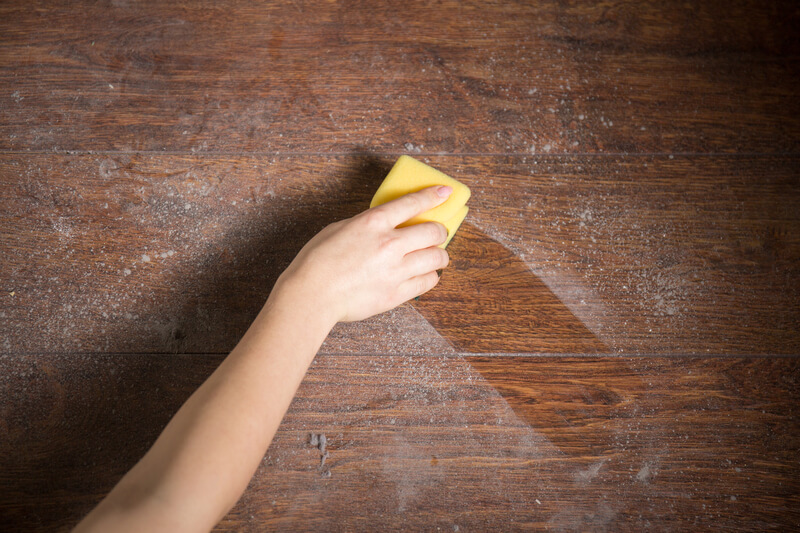
Dust enters homes from many sources: soil tracked in, open windows, HVAC systems, rugs, carpets, and even upholstered furniture. Poor ventilation, high humidity, and clutter can make removal harder. Over time, layers of dust collect in hidden places — under bed frames, behind appliances, on ceiling fan blades. These become reservoirs of allergens and particles that get stirred up with every movement or airflow.
Practical Tips to Reduce Dust and Protect Your Health
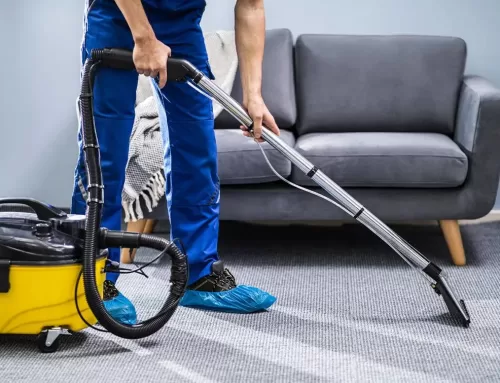
- Use a vacuum cleaner with a HEPA filter to capture fine particles.
- Dust with microfiber cloths rather than dry rags to trap particles more effectively.
- Wash bedding weekly in hot water to eliminate dust mites.
- Declutter surfaces to reduce shallow dust reservoirs.
- Change or clean HVAC and air filters regularly.
- Keep windows closed during high pollen or pollution days.
- Set a regular deep cleaning schedule — professionals can clean behind and under furniture, vents, and tight spots that are easy to overlook.
Why Professional Cleanings Matter
Regular cleaning can handle surface dust, but deep cleanings by experts help reach the places that accumulate hidden allergens. A professional team brings tools, techniques, and cleaning products that are more effective at reducing dust build‑up long‑term. With fewer allergens, you can breathe easier, sleep better, and spend more time enjoying your home instead of cleaning it.
Want to reduce dust in your home the smart way?
Alpha Cleaning Co. offers deep cleaning services tailored to eliminate more than just visible dirt. Safe products, trained teams, and high standards — so your home feels truly clean.
Conclusion
Dust may be silent, but it doesn’t have to be harmful. By understanding what hidden particles are in your home, how they affect your health, and by adopting both daily habits & professional cleanings, you can keep your space healthier. With Alpha Cleaning Co., a clean home means peace of mind.